
Malta allocates land for new milk processing facility to boost dairy sector
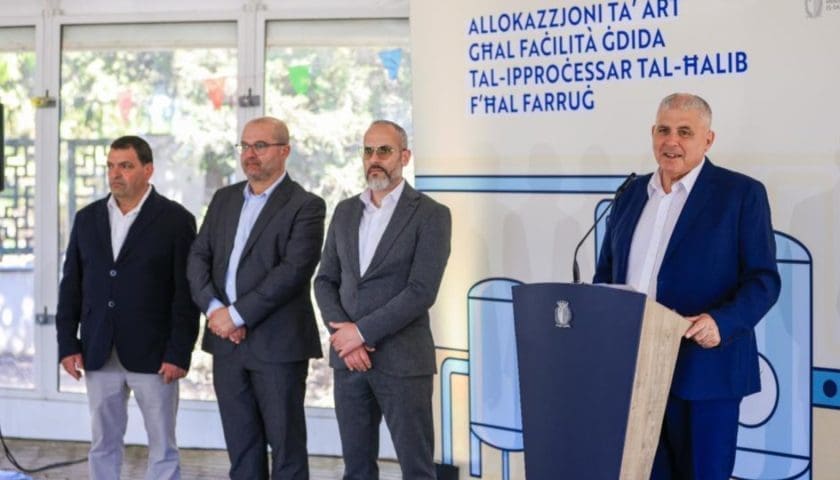
MALTA – The Government of Malta has allocated a plot of land in Ħal Farruġ for a new milk processing facility to be developed by Malta Dairy Products Ltd, in a move aimed at strengthening the local dairy industry.
The plant will process milk supplied by farmers in Malta and Gozo into a range of dairy products, with the investment intended to support the sector’s long-term sustainability and improve the value of local produce.
To avoid any disruption in production, government will extend the lease on the company’s current premises in Ħamrun until the new facility is completed and operational.
Agriculture Minister Anton Refalo said that the project forms part of wider efforts to modernise the sector and make it more competitive, while continuing to support farmers.
He described it as a practical step towards reinforcing the agri-food chain and ensuring the sector keeps pace with future demands.
Refalo also pointed to the role of the Koperattiva Produtturi tal-Ħalib Group Ltd and Malta Dairy Products Ltd in pushing the project forward, saying the initiative reflects ongoing cooperation between the Government and industry.
Malta Dairy Products CEO Alex Briffa said that studies are currently underway to ensure the investment is viable over the long term.
He said the company’s focus remains on supporting farmers while maintaining a steady supply of trusted products.
CEO of the Dairy Producers Group Philip Agius said the sector plays a key role in food security, noting that locally produced fresh milk provides a consistent and reliable source of nutrition.
Recently, Malta Dairy Products announced price increases of up to 6c on several of its fresh milk products.
“The adjustment reflects only what is essential to maintain quality and long-term sector sustainability,” the company said in a statement.
It said in a statement that the fresh dairy sector continues to operate under significant cost pressures, despite the government’s ongoing support in keeping national energy prices stable and subsidy on feed costs.
MDP said the revised prices were made necessary by higher animal-feed costs, increased ingredient, packaging, and transport costs and ongoing investment in quality and reliability.
It said that it absorbed a substantial portion of the rising costs last year but the price adjustments were necessary to maintain a stable and sustainable sector moving forward.
To receive our email newsletters with the latest news and insights from Africa, the Middle East and around the world, SUBSCRIBE HERE

Be the first to leave a comment