
Crickley Dairy unveils new packaging for medium fat yoghurt
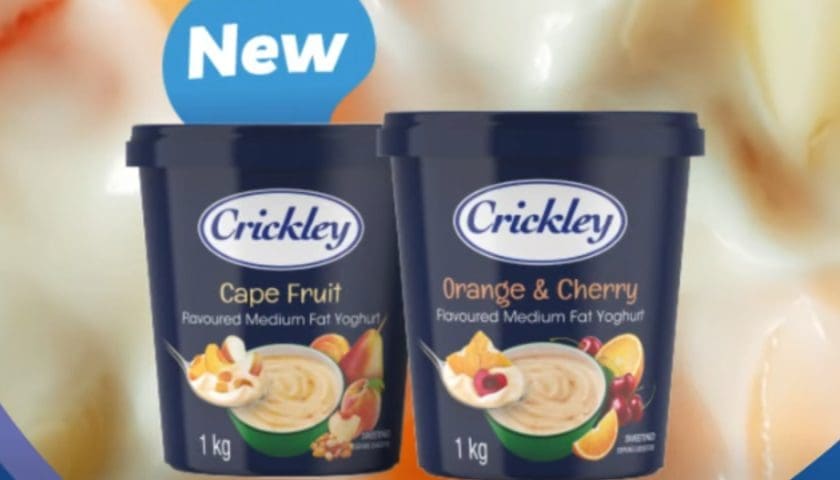
SOUTH AFRICA – Crickley Dairy has introduced fresh packaging for its Medium Fat Yoghurt, designed to better reflect the brand’s commitment to quality, care, and heritage.
The new look emphasizes the company’s longstanding tradition of producing wholesome dairy products while appealing to modern consumers seeking authenticity and trust in the brands they choose.
“While the design has been updated for stronger shelf appeal and brand consistency, the product inside remains the same wholesome, reliable dairy families know and love,” the company stated.
Recently, the company unveiled a new Guava-flavoured dairy snack with real fruit pieces, expanding its product offerings.
The new offering features real tropical fruit pieces, signaling a strategic move to prioritize texture and natural ingredients in its competitive snack lineup.
As the product rolls out to major retailers, the Guava Dairy Snack is expected to strengthen Crickley’s market share in the functional snacking category.
Africa yoghurt market size to reach US$2.5B by 2033 – Market Data Forecast reports
The Africa yoghurt market size was valued at USD 1.58 billion in 2025 and is expected to reach USD 2.54 billion by 2033, growing at a CAGR of 6.12%.
The rapid expansion of urban middle-class populations who exhibit heightened demand for convenient, nutritious, and ready-to-eat foods is ascribed to bolster the growth of the Africa yoghurt market.
The demographic shift correlates with increased consumption of value-added dairy products, including probiotic-enriched yogurts, as urban consumers prioritize digestive health and immune support.
South Africa was the top performer of the Africa yoghurt market by holding 34.2% of the market share in 2024. The country’s advanced food processing infrastructure, widespread refrigeration access, and strong regulatory framework support a diverse yogurt ecosystem.
The plain yogurt segment was accounted in holding 42.3% of the Africa yogurt market share in 2024 with the cultural preference for unflavored, naturally fermented dairy across rural and semi-urban populations.
The dominance of informal dairy sectors, which operate outside regulatory oversight and undercut formal brands on price is quietly challenging the growth of the Africa yogurt market.
As per the International Livestock Research Institute, over 90% of milk in East Africa is traded through informal channels, often unrefrigerated and unpasteurized, sold at prices 30–50% lower than commercial yogurt.
To receive our email newsletters with the latest news and insights from Africa, the Middle East and around the world, SUBSCRIBE HERE

Be the first to leave a comment