
Cameroon deploys equipment to reduce US$137M dairy import
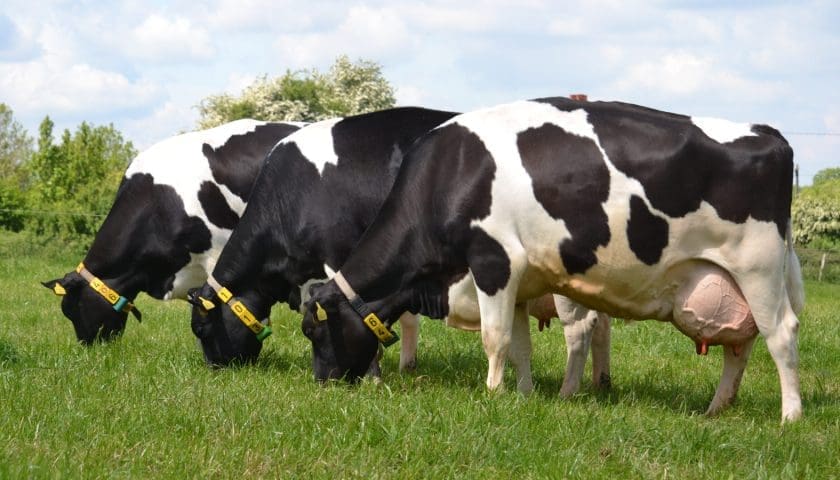
CAMEROON – Cameroon has deployed specialised equipment under the Integrated Agropastoral and Fisheries Import-Substitution Plan (PIISAH) to strengthen local milk production and reduce reliance on imports, which exceed US$137 million (80 billion CFA francs) annually.
The equipment was received by the state-owned Livestock Development Corporation (SODEPA). It will support a dairy production project targeting 2,000 cows and an annual milk output of 400 tonnes, as part of efforts to improve supply chain efficiency and reduce import dependence.
The newly acquired assets include four, two of them battery-powered refrigerated units capable of maintaining cold temperatures for up to six hours over distances of 80 to 100 kilometres.
Two additional isothermal tricycles are designed to limit heat transfer during transport. The package also includes a refrigerated truck, a drone, four pickup trucks, and eight motorcycles designated for artificial insemination operations, along with protective gear such as anti-splash goggles, hearing protection and helmets with visors.
According to officials, the equipment will be deployed across four sites: Ndokayo in the East, Faro in the North, Djohong in Adamawa, and Afanloum in the Centre region. It is expected to strengthen logistics, maintain product quality through cold chain compliance, and support the structuring of the dairy value chain.
SODEPA said the equipment will help increase national milk production. Cameroon currently produces about 174,000 tonnes of milk per year, but output remains below national demand, leading to imports of dairy products and by-products worth more than 80 billion CFA francs annually.
To address the gap, SODEPA is implementing a crossbreeding programme combining local cattle with higher-yield tropical breeds from Latin America, notably Brazil. Fodder fields have been established, and Argentine partners are supporting implementation in the field.
This move comes after the Ministry of Livestock, Fisheries, and Animal Industries in Cameroon announced that the country plans to increase its annual milk output to 1.15 million tonnes by 2035, as part of a 305.7 billion CFA francs (US$500 million) dairy strategy launched last year to reduce its reliance on imports.
According to ministry data, the domestic demand for milk is approximately 300,000 tonnes per year, while production reached 176,600 tonnes in 2023, resulting in a shortfall of more than 120,000 tonnes.
Imports covered the gap, with Cameroon spending 75.6 billion CFA francs (US$124 million) on milk and derivatives, including powdered milk, last year.
The government is channelling 111.5 billion francs (US$139.4 billion) into genetics, 92.3 billion CFA francs (US$157.6 million) into animal health, and US$124.2 million (72.7 billion CFA) into feed, with the remainder allocated to processing, research and governance.
A new breeding center in Wakwa, Adamawa region, will start operating this year, producing 500 semen doses and 300 embryos annually to expand artificial insemination to 276,000 cows.
The plan builds on earlier efforts, including the import of 495 Montbéliarde heifers under the Prodel project, which aims to boost yields.
Production grew 2% in 2023, but the government says hitting the 2035 target will require sustained investment and faster rollout of these programs.
To receive our email newsletters with the latest news and insights from Africa, the Middle East and around the world, SUBSCRIBE HERE

Be the first to leave a comment