
Global dairy alternatives for infant market to reach US$ 5.17B by 2032 – DataM Intelligence reports
GLOBAL – According to DataM Intelligence, the dairy alternatives for infant market is projected to grow from around USD 2.5 billion in 2024 to approximately USD 5.17 billion by 2032, registering a robust CAGR of 9.5% during the forecast period.
The global dairy alternatives for infant market is experiencing rapid expansion as parents increasingly seek safe, plant-based, and hypoallergenic nutrition solutions for babies with lactose intolerance, cow milk protein allergy (CMPA), or digestive sensitivities.
This growth reflects rising parental awareness of early-life nutrition, a strong shift toward organic and clean-label products, and the broader global movement toward plant-based and sustainable food choices.
Dairy alternatives for infants include plant-based and specialized formulas designed to replace or complement conventional cow milk-based infant formula for babies with allergies, intolerances, or parental dietary preferences such as vegan or flexitarian lifestyles.
These products are increasingly fortified with key nutrients such as DHA, ARA, prebiotics, probiotics, vitamins, and minerals to support healthy growth, immune development, and digestive health comparable to standard formulas.
The market is broadly segmented by source, formulation, distribution channel, and region.
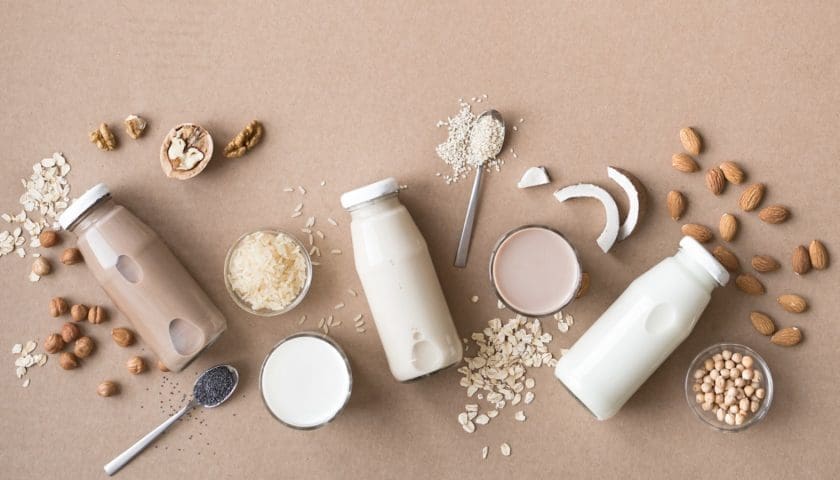
By source, key categories include soy-based, rice-based, oat-based, almond-based, coconut-based, and specialty hypoallergenic or amino acid-based formulas.
The soy-based formulas segment leads the market because of its nutritional adequacy, digestibility, and long-standing use in infants with lactose intolerance or cow milk protein sensitivity, with products increasingly enriched for brain and immune support.
Oat-, almond-, and blended plant-based formulations are emerging rapidly as parents seek gentler, hypoallergenic, and vegan-friendly options.
Distribution spans pharmacies, supermarkets, specialty baby stores, and rapidly expanding e-commerce platforms, with subscription models and direct-to-consumer brands improving convenience and repeat purchasing.
Market drivers and opportunities
Several structural shifts in infant nutrition are accelerating the dairy alternatives for infant market.
Increasing diagnosis of lactose intolerance and CMPA, along with heightened pediatric guidance on managing infant allergies, is boosting demand for dairy-free and hypoallergenic formulas.
Parents are prioritizing organic and clean-label products free from synthetic additives, preservatives, GMOs, antibiotics, palm oil, and corn syrup, strengthening the shift toward transparent, minimally processed formulations.
Rising concerns about sustainability and animal welfare are pushing plant-based options as environmentally responsible and ethically aligned choices.
These dynamics open significant opportunities for manufacturers. By developing nutritionally complete, plant-based formulas fortified with DHA, ARA, prebiotics, probiotics, and tailored micronutrient profiles, they can meet evolving consumer needs.
At the same time, investing in novel protein sources such as rice, pea, oat, and vegan “whey-like” proteins helps improve digestibility and amino acid balance.
Furthermore, leveraging AI and personalized nutrition platforms enables the creation of customized feeding solutions based on infant health data, allergy history, and parental preferences.
Subscribe to receive our email newsletters with the latest news and insights from Africa, the Middle East and around the world. SUBSCRIBE HERE


Be the first to leave a comment