
Netherlands becomes first EU country to approve public tastings of fermentation-based foods
The approval comes two years after the country established a similar procedure for cultivated meat tastings, with Leiden-based Meatable the first startup to host such an event in 2024.
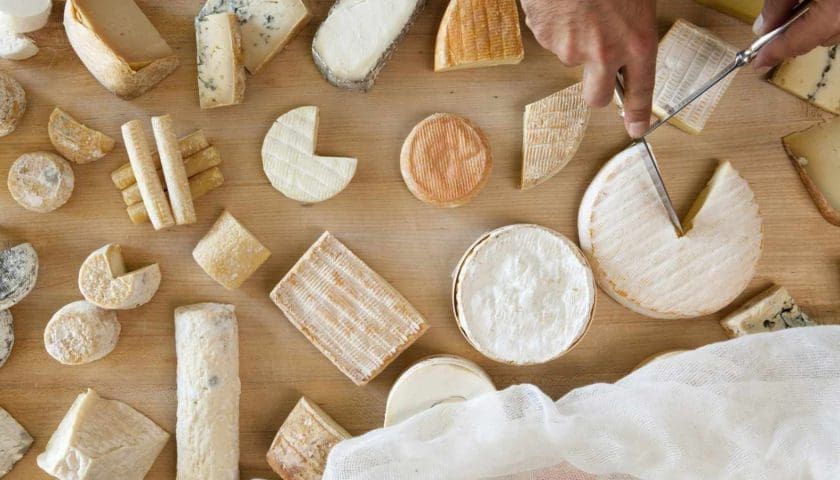
NETHERLANDS – The Netherlands has become the first EU country to allow public tastings of novel foods produced through fermentation. This new policy applies to products made using precision and biomass fermentation techniques, including animal-free alternatives such as cheese, eggs, and fats.
The government has published a Code of Practice that outlines the requirements future food producers must meet to be cleared to conduct taste tests for these innovations before they’re approved for general sale in the EU.
Under this policy, companies can host tasting events for these fermentation-based products prior to receiving full market authorization. The tastings will take place in controlled environments, with safety protocols in place.
Participants in the tasting events must be healthy, non-pregnant adults with no food allergies or underlying diseases, who must be informed about the ingredients and given guidance on actions to take in case of adverse events.
Companies must submit detailed applications, including information on the microorganisms used and the production process, for review by an independent Expert Committee.
The committee, composed of specialists in toxicology, microbiology, and ethics, will assess whether the products are safe for public consumption in these limited quantities.
Seth Roberts, senior policy manager at the Good Food Institute Europe (GFI Europe), commented on the significance of this policy, saying, “By enabling safe public tastings of fermentation-made foods, the Netherlands shows how national guidance can complement the EU’s world-class food safety rules and drive innovation.”
The approval of public tastings is seen as an important step for the development of fermentation-based food products, which are viewed as more sustainable alternatives to traditional food production methods.
Precision fermentation, for example, could reduce greenhouse gas emissions by up to 72% and require up to 99% less land compared to conventional food production. Biomass fermentation, used to create plant-based meats, is another key area of development in the Netherlands.
The Dutch government has been supportive of fermentation technology, with the National Growth Fund allocating €60 million in 2022 to advance precision fermentation.
The new policy will be piloted for one year, after which its effectiveness will be evaluated. If successful, it may be expanded or adopted by other EU countries.
Subscribe to receive our email newsletters with the latest news and insights from Africa, the Middle East and around the world. SUBSCRIBE HERE

Be the first to leave a comment