
FFAR advances decontamination strategy for HPAI-infected milk
The research announcement coincided with confirmation of a major new HPAI H5N1 outbreak in Jefferson County, Wisconsin involving more than 3 million birds.
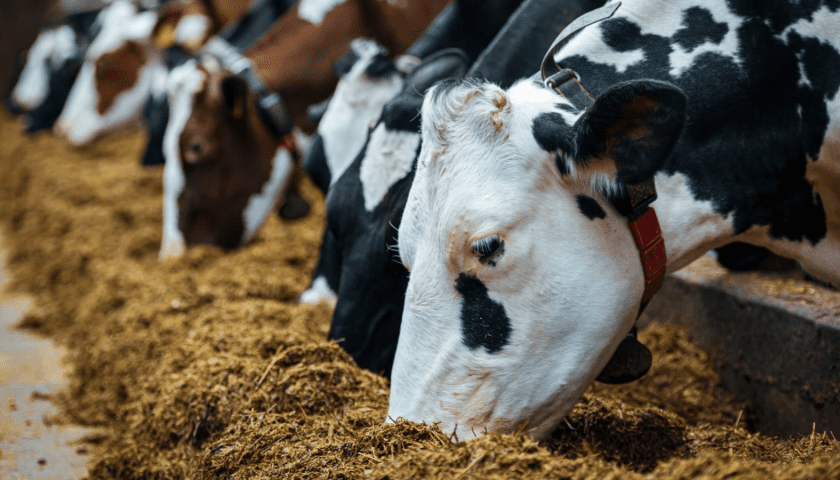
USA – The Foundation for Food & Agriculture Research (FFAR) and Texas A&M AgriLife Research are investing US$300,404 into developing farmer-friendly decontamination strategies for milk from cows infected with highly pathogenic avian influenza (HPAI), as fresh outbreaks highlight the need for rapid solutions to protect the U.S. food supply.
The grant, issued through FFAR’s Rapid Outcomes from Agricultural Research (ROAR) program, comes amid growing concern over the presence of the HPAI H5N1 virus in raw milk and the difficulty of controlling its spread on farms.
Current guidance recommends on-farm heat treatment or pasteurisation of contaminated milk, but such methods are often too costly or impractical for dairy operations managing large herds.
Researchers led by Dr. Sushil Paudyal, assistant professor of dairy science at Texas A&M University, are exploring chemical controls as a more accessible option for farmers. Their work also includes assessing the safety of feeding decontaminated milk to calves, ensuring the strategy is both effective and practical.
“Our goal is to develop a practical, science-based solution that dairy farmers can implement quickly and affordably,” Paudyal said. “We are collaborating with the University of Georgia to identify effective on-farm decontamination strategies that help reduce the spread of HPAI and protect both animal and human health.”
FFAR’s executive director of animal health research, LeValley, stressed the importance of providing tools to limit further spread once the virus enters a herd.
“Equipping farmers with a cost-effective, on-farm decontamination tool will minimise economic losses and reduce risks for farm workers,” LeValley said. “FFAR’s rapid funding will help deliver this solution for farmers.”
The effort gains added urgency as fall bird migration season approaches, raising the likelihood of new HPAI incursions on U.S. farms. Experts continue to emphasise farm-level biosecurity, timely disease reporting, and cross-agency collaboration as essential defences.
Wisconsin outbreak reinforces threat
The research announcement coincided with confirmation of a major new HPAI H5N1 outbreak in Jefferson County, Wisconsin.
On September 25, state officials reported the virus in a commercial poultry flock of more than three million birds, the largest outbreak in Wisconsin this year and its first since April.
The Wisconsin Department of Agriculture, Trade and Consumer Protection (DATCP) placed the farm under quarantine, ordered depopulation of all birds, and established a 10-kilometre control zone.
Enhanced surveillance and worker health monitoring are underway, with the state coordinating closely with the USDA’s Animal and Plant Health Inspection Service.
The outbreak is part of a broader uptick in cases across the Midwest. According to USDA data, 21 new poultry outbreaks have been reported in eight states in the past 30 days, alongside isolated detections in dairy cattle. Wisconsin, however, has so far avoided confirmed cases in its dairy herds.
National safeguards and ongoing challenges
Wisconsin’s dairy sector has been proactive in prevention, achieving “Gold Status” in the USDA’s National Milk Testing Strategy by screening more than 18,000 milk samples statewide with no H5N1 detected.
Public health officials continue to monitor exposed workers, and the Centers for Disease Control and Prevention recommends protective equipment and strict hygiene practices for farm personnel.
Despite these efforts, challenges remain. Resource limitations for smaller farms, uneven compliance with biosecurity, and gaps in wild bird surveillance complicate prevention. Humane depopulation of infected flocks also strains local response systems.
Subscribe to receive our email newsletters with the latest news and insights from Africa, the Middle East and around the world. SUBSCRIBE HERE

Be the first to leave a comment