
Australian dairy market to reach US$10.6B by 2033 – IMARC reports
Emerging trends include the widespread adoption of precision farming and IoT technologies in dairy production, which improves animal welfare and operational efficiencies.
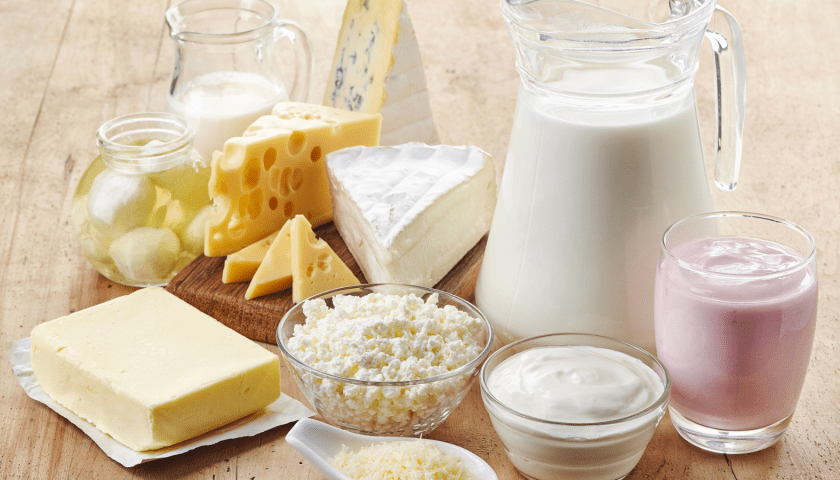
AUSTRALIA – According to IMARC group, the Australian dairy market size was valued at USD 6.7 billion in 2024 and is projected to reach US$10.6 billion by 2033, exhibiting a CAGR of 4.64% from 2025 to 2033.
The Australian dairy market is experiencing steady growth, driven by increasing consumer health awareness and rising demand for plant-based alternatives. Advancements in dairy farming productivity and processing technologies are enhancing product quality and efficiency.
Consumers are increasingly showing a preference for premium and specialty dairy products, such as organic milk, artisanal cheeses, and probiotic yogurts. Government initiatives promoting sustainability and innovation are reinforcing market expansion.
The export-oriented nature of the Australian dairy sector, particularly to Asian markets, further supports sustained growth.
Liquid milk is a significant part of the Australian dairy market, primarily due to its daily consumption as a staple product. The fresh and long-life milk varieties are predominant, but organic and A2 milk varieties are also gaining traction.
The producers aim to make their production more sustainable, with innovations in packaging and carbon emissions reduction measures being welcomed by consumers.
In the analysis by distribution, supermarkets and hypermarkets hold a significant share of the Australian dairy market, as they offer a one-stop shop experience, encompassing milk, cheese, and plant-based options, all under one roof.
The high reach through supermarkets in terms of convenience and competitive price gives Woolworths and Coles much value. Their ability to present promotions and loyalty drives many footfalls and substantial sales volumes.
By region, the Australian Capital Territory & New South Wales (ACT and NSW) regions are important for their consumer base and proximity to urban markets such as Sydney. These areas are the primary centers for the processing of dairy products, including milk and yogurt.
Though production is limited due to smaller farming areas, their developed distribution networks and consumer demand drive high sales of premium and specialty dairy products.
Major challenges include climate-related risks affecting dairy farming viability, supply chain logistics complexities, and fluctuating raw material prices.
Regulatory compliance regarding food safety and sustainability raises operational costs. Competition from non-dairy alternatives requires continuous innovation. Balancing affordability with sustainable and premium product development remains critical.
Subscribe to receive our email newsletters with the latest news and insights from Africa, the Middle East and around the world. SUBSCRIBE HERE
Be the first to leave a comment