
Ugandan district launches goat vaccination after plague outbreak
The outbreak has affected villages including Kasenyi, Lyato, and Fofo landing site, where farmers reported the deaths of over 300 goats.
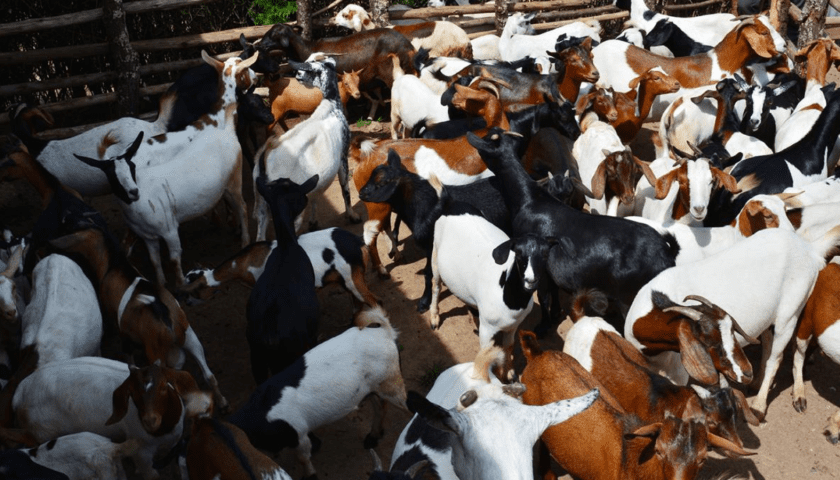
UGANDA – Authorities in Hoima District, Uganda, have embarked on a massive goat vaccination campaign in Buseruka Sub County following a confirmed outbreak of Goat Plague, which has affected milk production.
According to reports, the infected goats showed symptoms such as diarrhoea, coughing, sneezing, nasal and eye discharge, laboured breathing, and swollen or sealed eyes, often dying shortly after these signs appeared.
The National Animal Disease Diagnosis and Epidemiology Centre (NADDEC), confirmed the presence of Goat Plague, scientifically known as Peste des Petits Ruminants (PPR).
Goat Plague is related to the rinderpest virus and primarily affects sheep and goats. It presents with fever, severe respiratory and digestive symptoms, and discharge that can crust over the eyes and nostrils, making breathing and vision difficult. According to scientists, most infected animals succumb to the disease without urgent intervention.
Dr. Patrick Ndorwa, the Hoima District Veterinary Officer (DVO), confirmed the diagnosis and stated that the district has initiated emergency vaccination of goats in the affected areas.
He reassured farmers that the situation is now under control and urged them to remain calm as the vaccination campaign continues.
“We are urging all farmers in the affected areas to cooperate with the veterinary teams. The best way to contain this disease is through timely vaccination,” he said.
Veterinary experts warn that due to the high mortality rate associated with Goat Plague, early detection and swift response are essential to minimizing losses.
This is not the first time Goat Plague has struck the region. In May 2021, more than 200 goats died at Mbegu landing site in Buseruka due to a similar outbreak. In November 2021, another wave of the disease killed over 300 goats, also in Buseruka.
8,000 dairy cows affected with foot and mouth disease in Kuwait
The news comes after a severe outbreak of foot-and-mouth disease (FMD) in Kuwait affected more than 8,000 cows, resulting in a sharp 75% decline in fresh milk production.
FMD is characterised by fever and blisters in the mouth and on the feet of affected livestock, accompanied by lameness. Although few adult animals succumb to disease, young ones may die from sudden heart failure.
According to the Public Authority for Agriculture Affairs and Fish Resources, Kuwait, milk production has decreased from 250,000 litres per day to just 100,000 litres.
The outbreak has led to a significant drop in local milk production, estimated between 20 to 30 per cent, which has created a gap between supply and demand, exerting financial pressure on suppliers.
Salem Al Hai, Director General of the Authority, confirmed that 31 out of Kuwait’s 44 cow farms have reported FMD cases. While 952 cows have recovered, 71 have died from the highly contagious viral disease.
Subscribe to receive our email newsletters with the latest news and insights from Africa, the Middle East and around the world. SUBSCRIBE HERE


Be the first to leave a comment