
Japan launches 5-year plan to modernize dairy industry
The dairy sector will see stricter regulations to ensure product safety and quality
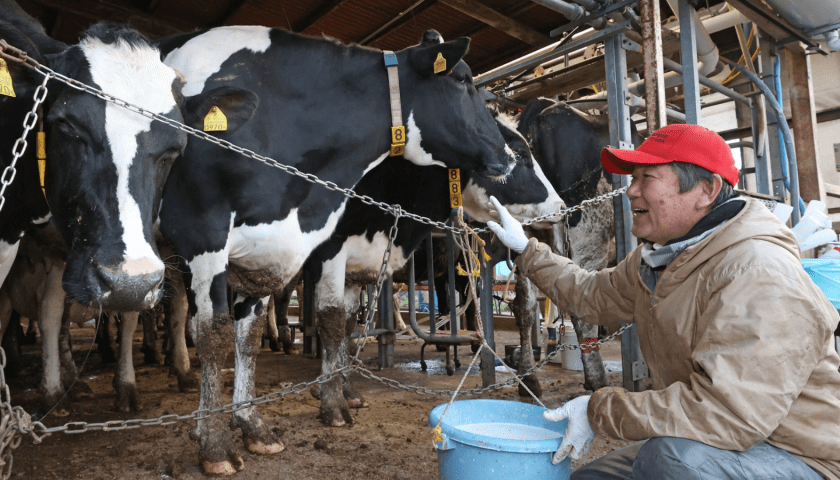
JAPAN – Japan has unveiled a comprehensive five-year policy aimed at transforming its dairy and beef sectors, targeting increased productivity, sustainability, and global competitiveness.
The initiative, driven by the Ministry of Agriculture, Forestry and Fisheries, seeks to address longstanding challenges in these industries, including inefficiencies in production and distribution, while boosting exports and adopting advanced technologies.
The policy allocates US$8.3 million from the 2025 fiscal budget to modernize the meat industry, with a focus on forming a national consortium to streamline operations.
This consortium will enhance the distribution network, making it more efficient and responsive to both domestic and international demands.
The dairy sector, meanwhile, will see stricter regulations to ensure product safety and quality, particularly for non-chilled milk products and those containing non-dairy ingredients.
Companies like Meiji and Kirin, known for their probiotic dairy drinks, will need to comply with new standards requiring detailed documentation on ingredient safety and manufacturing processes.
In the dairy sector, the policy builds on Japan’s growing demand for functional foods, such as probiotic drinks from Yakult.
New rules mandate transparency in labeling, ensuring consumers are informed about nutritional content.
“This will build trust and drive demand for high-quality dairy products,” noted a Consumer Affairs Agency spokesperson.
The initiative also supports small-scale farmers by providing subsidies for modern equipment, aiming to close the gap between large corporations and local producers.
To boost exports, the policy aligns with Japan’s trade agreements, particularly with Canada, to increase beef and dairy shipments.
The government is also addressing food waste, urging companies to donate surplus products to communities in need.
This aligns with broader national goals to improve food security and self-sufficiency, as Japan currently relies heavily on imports for dairy and beef.
The plan has sparked optimism among industry leaders, who see it as a step toward a more resilient agricultural sector.
However, challenges remain, including high production costs and global competition.
With a clear focus on innovation and sustainability, Japan’s latest policy sets a bold course for its dairy and beef industries, aiming to secure their place in a rapidly evolving global market.
Subscribe to our email newsletters that provide busy executives like you with the latest news insights and trends from Africa and the World. SUBSCRIBE HERE

Be the first to leave a comment