
Nigeria trains 100 farmers to boost dairy sector
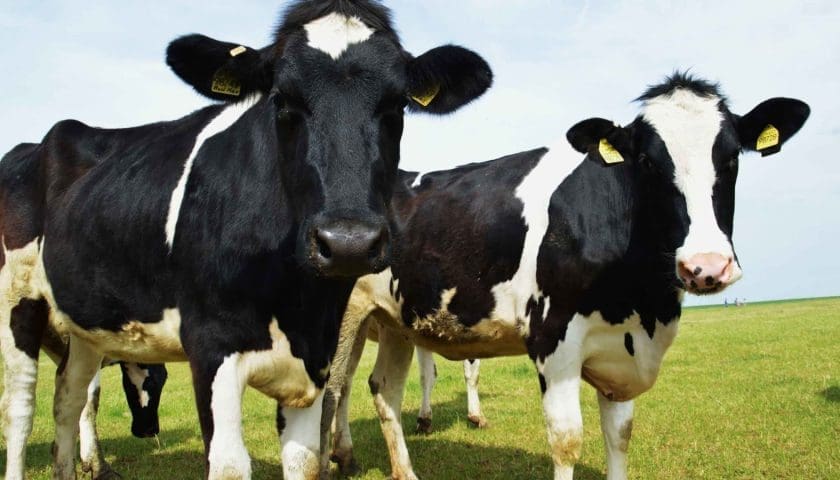
NIGERIA – The Federal Ministry of Livestock Development has trained 100 dairy farmers as part of efforts to reform and strengthen Nigeria’s livestock sector.
The three-day capacity-building program, organized by the Federal Ministry of Livestock Development in Ibadan, focused on modern dairy farming techniques, sustainable milk production, improved animal husbandry, and efficient milk handling and processing.
Senior Special Assistant to the President on Livestock Development, Idris Ajimobi, said the initiative was aimed at improving productivity among local dairy farmers and strengthening the country’s dairy value chain.
He noted that achieving self-sufficiency in livestock production would depend largely on equipping local farmers with the right skills and resources to improve productivity and quality standards across the dairy value chain.
The training formed part of the National Livestock Growth Acceleration Strategy (NL-GAS), which seeks to improve livestock productivity, strengthen food security, enhance farmers’ incomes and reduce Nigeria’s reliance on imported dairy products.
Additionally, according to the Deputy Director of Information and Public Relations, Henrietta Okokon, the ministry also started a nationwide baseline survey to improve data collection, monitoring, and evidence-based policy planning across the livestock value chain.
The ministry said the survey would provide a reliable foundation for its Monitoring and Evaluation Framework and support informed decision-making in the sector.
The exercise covers 67 key indicators aimed at assessing the state of the livestock industry, tracking performance trends, and guiding investments and policy interventions.
The initiative, it said, aligned with the Federal Government’s drive to promote accountability, transparency, and results-driven governance.
Field activities for the survey were conducted using a mixed-method approach involving secondary data analysis, focus group discussions, and key informant interviews.
The study adopted a value chain approach covering cattle production for beef and dairy, poultry, sheep and goats, piggery, micro livestock, feed and fodder systems, veterinary services, transportation, and market infrastructure.
Field engagements were carried out in six states selected to reflect the country’s diverse livestock production systems and geographical spread.
Participants included livestock farmers, pastoralists, ranch owners, processors, traders, marketers, input suppliers, service providers, and relevant government agencies.
The ministry said findings from the study would be released in the coming weeks and would serve as a benchmark for tracking progress, improving coordination, and shaping targeted interventions in the livestock sector.
It added that the initiative would support food security, economic diversification, and sustainable livelihoods.
To receive our email newsletters with the latest news and insights from Africa, the Middle East and around the world, SUBSCRIBE HERE

Be the first to leave a comment