KENYA – Analysts have encoureged dairy farmers in Murang’a County and across Kenya to adopt sustainable and nutrient-rich fodder to enhance productivity and ensure resilience during periods of scarcity.
According to soil analyst Bernard Ndung’u, fodder quality is crucial, as feeds contribute up to 60% of a dairy farmer’s success.
He emphasized the importance of using fodder that offers balanced nutrition, promoting faster growth and higher milk yields.
Ndung’u advised farmers to select fodders that are sustainable and regenerating, noting that varieties such as Napier grass, maize, desmodium, Rhodes grass, and sorghum meet these criteria.
“Choose fodder that is sustainable; the majority regenerate after cutting and have fast maturity and easier establishment,” he explained.
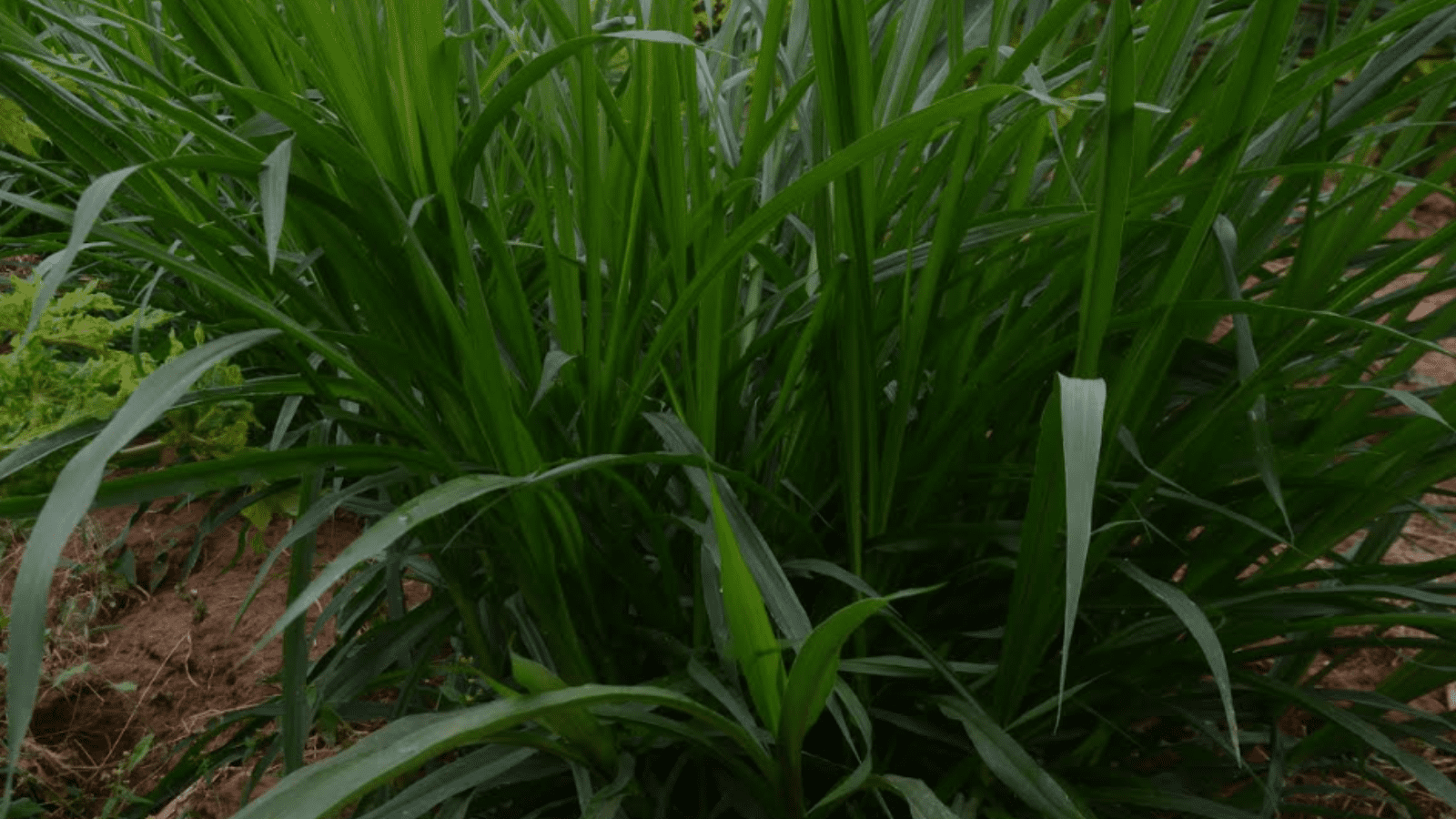
Napier grass, a popular choice among farmers, stands out due to its drought resistance and high crude protein and fiber content, especially depending on the stage of growth.
“Napier grass, mainly propagated through stem cuttings or splits, is easily grown and palatable for livestock,” Ndung’u observed.
He further highlighted the superior variety known as Pakchong 1, or “super Napier,” which has gained traction among dairy farmers.
“Pakchong 1 is a hybrid of Napier and pearl millet, offering 18% protein content—double that of ordinary Napier—while also being fast-growing and highly vegetative,” he added.
Moreover, Napier grass can be efficiently chopped or stored whole for later use. For farmers seeking alternatives, maize is another valuable fodder crop.
The co-founder of Fadhili Africa Ltd pointed out that maize silage is particularly beneficial. “Small-scale farmers can use silage bags to prepare maize silage, preserving it for times of scarcity without compromising its nutritional value,” he advised.
Desmodium, another recommended option, integrates well with other fodder crops and matures within 3-4 months. Ndung’u noted its multiple benefits:
“Desmodium has high crude protein levels and is rich in minerals and vitamins. It also improves soil fertility through nitrogen fixation and helps repel pests and parasitic weeds like Striga.”
This leguminous crop provides both nutritional and agronomic advantages, making it a strategic choice for sustainable dairy farming.
Additionally, sorghum and Rhodes grass are recognized for their suitability in hay production. These perennial grasses, which can grow up to two meters tall, are valued for their fine, leafy stems. They are commonly stored as hay, ensuring a steady feed supply during drought periods.
To avoid perennial losses, farmers are advised to select certified planting materials and conduct soil testing for accurate recommendations.
As reported by agricultural experts, such practices are crucial for optimizing fodder quality and, by extension, dairy production.
The call for adopting sustainable, nutrient-rich fodder reflects a broader effort to enhance food security and economic stability for dairy farmers in Murang’a and beyond.
With proper implementation, these strategies can contribute to more resilient and productive dairy farming systems across the region.




Be the first to leave a comment