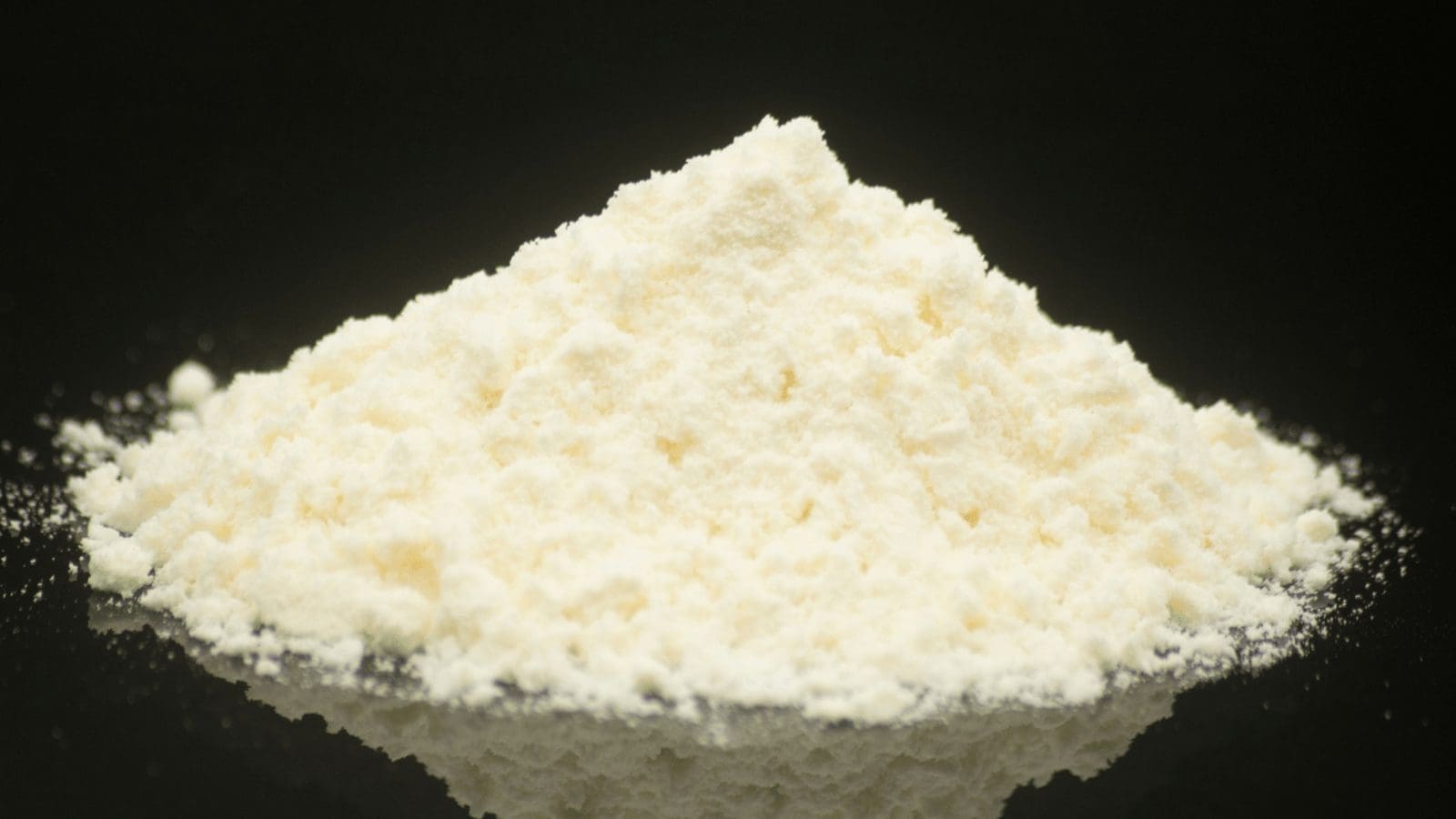
COLOMBIA – Colombia has resumed milk powder imports despite maintaining a robust local production, driven by trade agreements and market dynamics.
According to a report by Fedegán-FNG, the new year witnessed the arrival of milk powder from the United States under a trade agreement that typically sees quotas quickly filled.
However, in 2025, the pace has slowed significantly, with only 457 tons imported by January 7, equating to just 2.4% of the 18,987-ton duty-free quota.
This marks a notable shift compared to previous years when up to 40% of the quota was filled on the first day.
The report highlighted that this slowdown stems from a temporary tariff hike imposed by the Ministry of Commerce.
A 4.86% tariff was introduced as part of an ongoing investigation into potential subsidies provided by the U.S. government to its dairy producers.
This tariff, effective until January 16, 2025, has evidently impacted the flow of imports.
Additionally, Colombia’s import quota for milk powder from the European Union stands at 8,800 tons, with a tariff of 18.4% applied once this quota is surpassed.
Bolivia, despite having a smaller cattle population than Colombia, is also contributing approximately 7,000 tons of milk powder. This is attributed to Bolivia’s clear agro-industrial policies, which enable consistent exports.
Oscar Cubillos, head of planning and economic studies at Fedegán-FNG, reported the paradox of Colombia importing milk while local production remains strong.
He explained that the influx of imported milk increases supply, giving processing companies greater negotiating power and resulting in lower prices for local dairy farmers.
According to him, this dynamic places additional strain on Colombia’s dairy sector, where farmers already face competitive pressures from foreign producers benefiting from subsidies.
The report further indicated that by January 2026, all quotas for U.S. milk powder imports are expected to be eliminated, leading to a free trade environment with no tariffs.
A similar transition is forecasted for imports from the European Union by January 2028, which could intensify competition for Colombia’s domestic dairy industry.
The government of President Gustavo Petro has previously expressed interest in renegotiating the trade agreement with the United States.
Despite this, no formal steps have been taken, leaving the sector in a challenging position. The combination of tariff policies, trade agreements, and import trends has left the local dairy industry grappling with what many deem as unfair competition in the face of subsidized imports.




Be the first to leave a comment