
DHS clarifies dairy industry eligibility for H-2A program
DHS said its U.S. Citizenship & Immigration Services (USCIS) will consider all H-2A dairying petitions on a case-by-case basis, in the same manner as all other H-2A petitions.
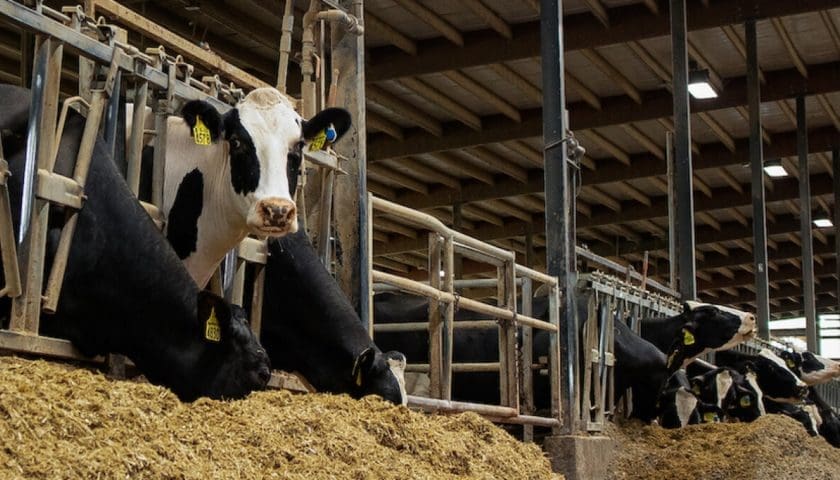
USA – The USA Department of Homeland Security (DHS) has issued a policy memorandum clarifying that the dairy industry may access temporary or seasonal workers under the H-2A program.
The memorandum provides guidance on determining the temporary or seasonal need for H-2A petitions to obtain workers for dairy operations. The H-2A program is designed specifically to help fill temporary agricultural jobs using foreign labor.
This does not impose a new requirement, DHS noted, but it allows employers who want to use the program to fill positions on dairy operations to follow the existing procedures for H-2A workers.
USCIS issued the guidance to allow temporary admission of foreign workers into the U.S. under H-2A “to fill temporary or seasonal positions for which domestic labor is unavailable because dairying and labor on a dairy farm are job occupations within the agricultural field which may be seasonal or temporary.”
The dairy industry has sought a fix for access to the H-2A program for years. Because DHS regulations require an employer to demonstrate a temporary or seasonal need, the program works well for crop operations, for example, given their specific planting and harvesting window, but the dairy industry needs workers year-round, which creates significant barriers to using H-2A workers.
Before USCIS can approve an H-2A petition, the U.S. Department of Labor has to approve a temporary labor certification (TLC). Because dairies tend to need workers to perform the same duties all year, with no break in employment, it would trigger a denial of the H-2A petition, even if the TLC was approved, DHS explained.
The memorandum clarifies that “dairy can involve H-2A eligible temporary or seasonal labor, no matter that dairy cows can require milking or other types of work year-round.”
USCIS makes a determination of temporary or seasonal need “based on the facts presented at the time,” regardless of a prior denial or approval of an employer’s petition.
The guidance lays out examples of how petitioners may frame considerations to demonstrate seasonal or temporary labor needs.
For example, DHS said dairies that follow distinct annual breeding seasons may be able to file separate H-2A petitions lasting up to 10 months each to request the labor needed for each calving season.
The U.S. Department of Agriculture welcomed the new guidance outlining how dairy operations may use the H-2A temporary agricultural worker program when they can demonstrate a qualifying labor need under existing law and how USCIS will evaluate H-2A petitions for dairy-related work.
“The guidance clarifies that dairying is an agricultural activity eligible for consideration under the H-2A program and recognizes that dairy operations may experience temporary or seasonal labor needs that qualify for H-2A employment,” USDA said in a news release.
“For many dairy farmers, labor availability remains a significant challenge. The clarification provides additional certainty regarding the circumstances under which dairy operations may access the H-2A program while maintaining existing protections for U.S. workers and ensuring compliance with applicable federal law,” USDA added.
The National Milk Producers Federation, the policy advocacy organization for dairy producers and cooperatives, applauded the guidance released by the Administration.
“The dairy industry has long sought access to the H-2A program, and this guidance will help open the door for dairies to begin using this program. We … look forward to learning more about these important new changes,” NMPF president and chief executive officer Gregg Doud said.
“NMPF pledges to work with both Congress and the Administration to secure long-term certainty for the dairy workforce, including solutions to transition to H-2A, which will ensure that dairies across the nation are set up to thrive, boosting rural communities and providing Americans and the world with high-quality, nutritious products,” he said.
To receive our email newsletters with the latest news and insights from Africa, the Middle East and around the world, SUBSCRIBE HERE
Be the first to leave a comment