
Indigenous trees to offer climate-resilient future for dairy farming in Benin – study finds
Farmers in West Africa have long relied on native species such as African mahogany, African rosewood, and Afzelia africana to sustain livestock during drought.
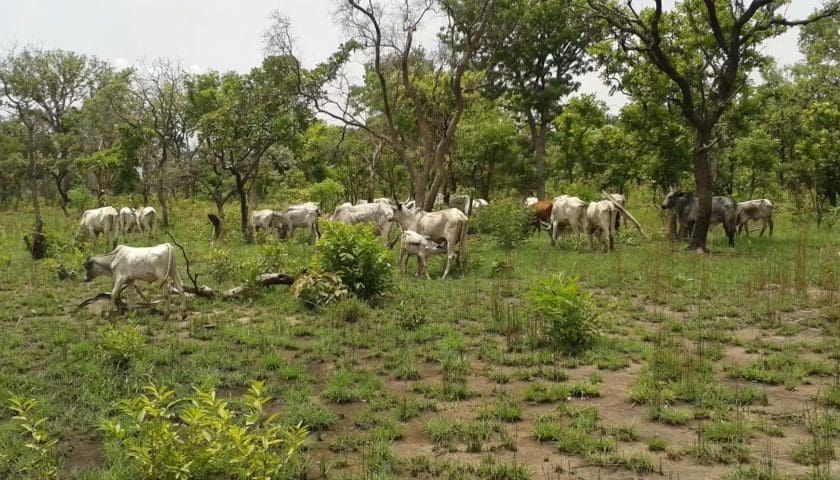
BENIN – A recent study has found that integrating indigenous trees into dairy farming systems offers a powerful solution to the future dairy farming.
Researchers monitored 447 dairy cows across 40 smallholder farms and compared traditional open grazing with agroforestry systems where trees, crops, and livestock coexist.
The results revealed that cows raised under tree-based systems produced nearly three times more milk per day than those in conventional systems. Calf survival rates were also higher, pointing to improved nutrition and reduced stress.
The study highlighted how trees provide shade and cooler microclimates, helping cattle withstand heat stress.
Their leaves supply protein and minerals absent in dried grasses, preventing weight loss and supporting breeding.
Beyond livestock health, trees enrich soils through leaf litter, improve manure quality, and offer households additional resources such as fruits, timber, and medicinal products.
These systems also contribute to climate change mitigation by storing carbon in biomass and soils.
Livestock farming in Benin’s drylands is facing mounting challenges as climate change reshapes the environment.
These arid landscapes, which cover nearly 70% of the country, sustain millions of grazing animals, yet shorter rainy seasons, frequent heatwaves, and dwindling pastures are reducing milk yields and weakening animal health.
Farmers in West Africa have long relied on native species such as African mahogany, African rosewood, and Afzelia africana to sustain livestock during drought.
What was once considered informal practice is now recognized as a climate-smart strategy that aligns with global sustainability goals while remaining rooted in local knowledge.
Despite their promise, tree-livestock systems remain under-recognized in agricultural policy. The study emphasized the need for secure land tenure, access to seedlings, and extension services that build on farmers’ expertise rather than replace it.
The findings underscore that adaptation does not always require new technologies.
In Benin’s drylands, resilience is emerging from traditional practices refined over generations—where trees, animals, and people coexist in farming systems that secure food, income, and ecological balance under climate stress.
In the drylands of Benin, west Africa, livestock farming is under growing pressure. These vast, hot landscapes cover roughly 70% of the country’s land area.
Their sparse pastures and scattered trees sustain around six million grazing animals, including 2.5 million cattle, one million sheep and 2.4 million goats which walk with herders over long distances in search of food and water.
Rainy seasons in the Benin drylands are becoming shorter and less predictable. Pastures dry out earlier than they used to. Heatwaves are more frequent.
Subscribe to receive our email newsletters with the latest news and insights from Africa, the Middle East and around the world. SUBSCRIBE HERE


Be the first to leave a comment