
ARC awards South Africa’s master dairy producers
These awards highlight best practices in herd improvement, genetic progress, and consistent performance recording.
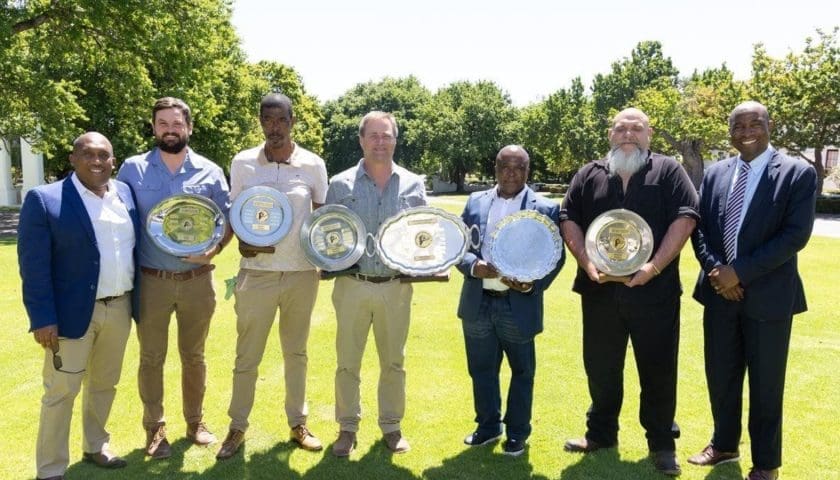
SOUTH AFRICA – The Agricultural Research Council has announced the winners of the 2025 National Master Dairyman Awards in Stellenbosch, Western Cape.
The ARC’s National Milk Recording and Improvement Scheme plays a central role in the industry by providing genetic improvement services accredited by the International Committee for Animal Recording.
It aims to improve the sustainability and profitability of dairy production, thereby contributing to food security, job creation, and skills development in South Africa.
JK Basson Family Trust from Darling, Western Cape, walked away with the Large-Scale Master Dairyman of the Year title.
Van Niekerk Boerdery BK from Caledon claimed the Medium-Scale Master Dairyman of the Year award. The Small-Scale Master Dairyman of the Year title went to Letsolo PT Dairy of Sebokeng, Gauteng.
In the performance categories, Packwood Farm near Knysna, Western Cape, earned the Herd with the Best Somatic Cell Count award at 170 000 cells/ml, while JK Basson Family Trust also took home the Herd with the Best Intercalving Period award, with an average of 375 days.
Boy Blanckenberg of Klipheuwel, Western Cape, was acknowledged with an honorary award for his forward-thinking leadership, unwavering support for dairy farmers, and many years of contribution to the local dairy industry.
ARC President and CEO Dr Litha Magingxa congratulated the winners and reaffirmed the ARC’s commitment as a science and innovation partner to South Africa’s dairy farmers, saying the organisation remains focused on supporting a “sustainable, equitable and future-ready industry.”
During the awards ceremony, Christine Leighton, project manager at Milk South Africa (Milk SA), shared key takeaways from the 2025 International Dairy Federation World Dairy Summit, held in Chile last month.
She noted that the summit highlighted the importance of genetics and animal health, with genetics recognised as an effective tool for improving feed efficiency, reducing methane emissions, and enhancing immunity and disease resistance. She added that the results of such interventions could be seen in as little as five years.
The role of automation and precision farming in boosting efficiency, detecting illness early, and optimising feeding was also emphasised.
“People are realising that healthy cows lead to higher production and lower costs,” Leighton explained.
Her presentation also underscored a growing recognition that dairy is more than just milk; it’s a product that supports people, communities, and livelihoods, and that true sustainability must balance environmental, economic, and social factors.
Subscribe to receive our email newsletters with the latest news and insights from Africa, the Middle East and around the world. SUBSCRIBE HERE
Be the first to leave a comment