
Milk tube feeding safely replaces IV drip for premature babies
Full milk feeding from birth reduces the need for medical procedures and intensive care time without increasing the risk of complications.
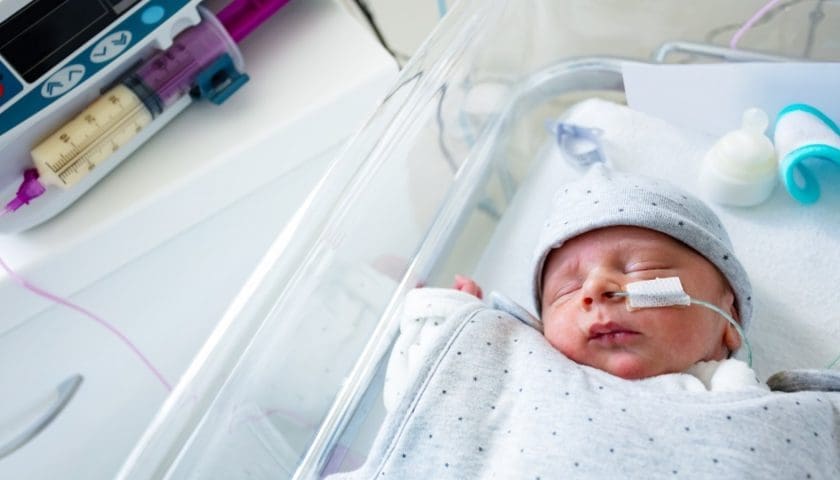
GLOBAL – Premature babies born between eight to ten weeks early can be fed with milk through a tube in their stomach right after birth instead of being fed intravenously through a drip, according to new research.
The new findings from the “FEED1” trial, published in Lancet Child & Adolescent Health, show that early arrivals no longer have to undergo painful medical procedures, such as having lines placed in their veins to deliver nutrition.
“The FEED1 trial answers important questions for the care of preterm babies – the results mean babies born eight-ten weeks early can be milk fed from the start, will not need intravenous nutrition, and will likely spend less time in intensive care,” said lead investigator professor Shalini Ojha, Neonatal Medicine at the University of Nottingham.
“They can be cared for in special care where families can be more involved and supported to establish breastfeeding. We are extremely grateful to the families who participated in the trial.”
Full milk feedings safely boost health
Previously, premature babies were not started on full milk feeds because of concerns of a severe bowel disease called necrotizing enterocolitis (NEC).
However, growing evidence suggests that premature babies who are not too sickly can be successfully prescribed larger milk feeds without increasing this risk.
In the UK, 2,088 premature babies from 46 NHS hospitals participated in the FEED1 trial between October 2019 and July 2024. Among them, 1,047 were randomized to have full milk feeds, while 1,041 were gradually fed and had intravenous nutrition.
Babies in both groups needed to stay in the hospital for about 30–35 days. However, those fully milk-fed from day one needed fewer medical interventions and spent less time in intensive care, without an increased risk of hypoglycemia, NEC, or infections.
“These important findings have shown that babies can receive full milk feeds safely, without any compromise to their health while on the neonatal unit,” said Josie Anderson, policy, research, and campaigns manager at Bliss, the UK’s largest charity for babies born premature or sick.
“We believe these findings will help improve clinical practice for babies born from 30 weeks, ensuring they can receive the best possible care and benefit from having fewer painful procedures.”
Professor Anthony Gordon, director of the National Institute for Health and Care Research’s (NIHR) Health Technology Assessment Programme, which funded the research, stresses that the first few days of babies’ lives are a critical time for their development and bonding with their families.
“That’s why it’s so encouraging that findings from this major trial show preterm babies can be safely milk fed through a tube rather than intravenous feeds, meaning they can avoid uncomfortable medical procedures and can spend less time in intensive care,” he noted.
Subscribe to receive our email newsletters with the latest news and insights from Africa, the Middle East and around the world. SUBSCRIBE HERE


Be the first to leave a comment