
India rejects U.S. dairy imports over animal feed concerns, stalling trade talks
India have insisted that U.S. dairy products, such as butter and cheese, will not be allowed unless the U.S. adopts India’s vegetarian certification standards
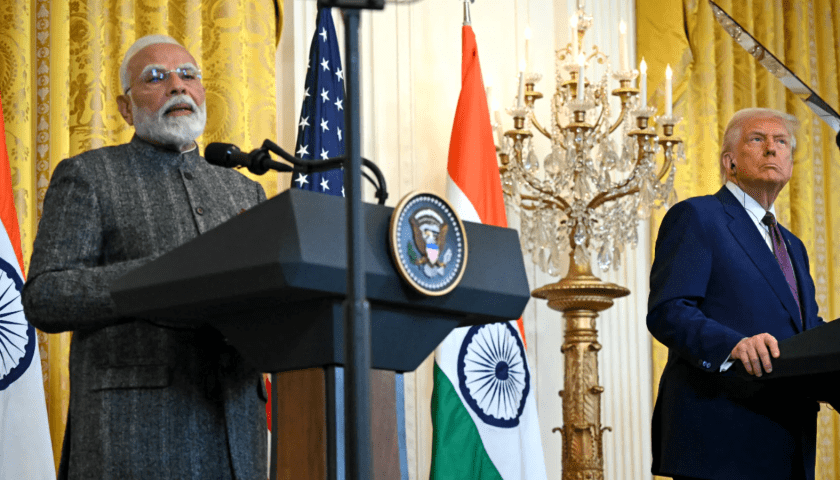
INDIA – India has taken a firm stand against importing U.S. dairy products, citing differences in animal feeding practices, which has created a significant hurdle in ongoing trade negotiations with the United States.
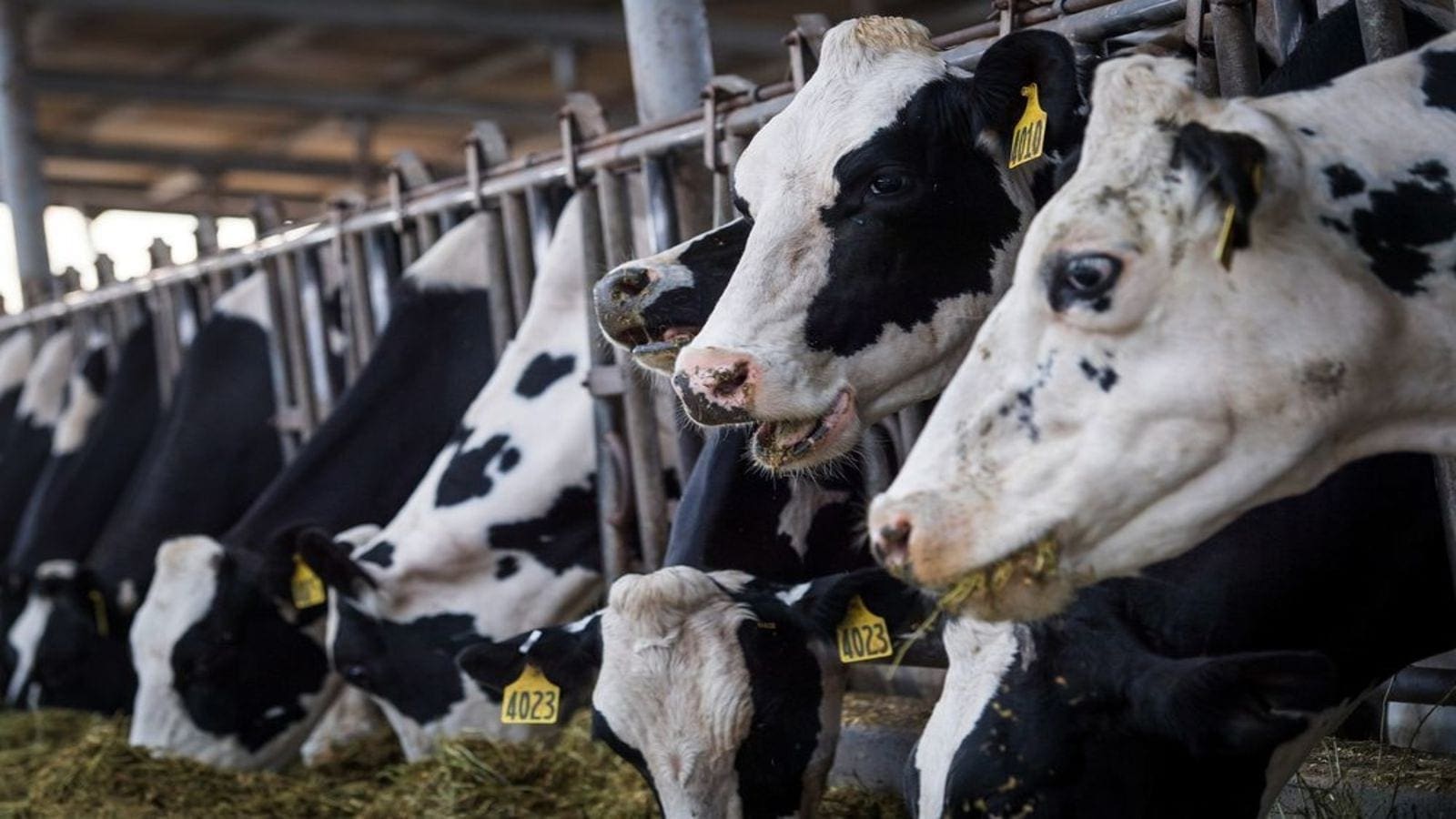
Indian negotiators have insisted that U.S. dairy products, such as butter and cheese, will not be allowed unless the U.S. adopts India’s vegetarian certification standards or modifies its cattle feeding practices, which often include animal-derived feed like blood meal.
The issue stems from India’s long-standing requirement that imported dairy must come from animals not fed with internal organs or blood, a practice rooted in cultural and religious sensitivities in a largely vegetarian nation.
The United States Trade Representative’s 2025 National Trade Estimate Report labeled these norms as “onerous,” arguing they unfairly disadvantage American dairy farmers.
“India’s restrictions lack scientific justification and hinder fair trade,” the report stated, highlighting the U.S. push for relaxed import rules.
India, the world’s largest producer and consumer of milk, has little incentive to open its dairy market.
According to reports, the country consumes most of its butter and milk domestically, with minimal surplus.
The U.S., facing pressure to diversify its dairy exports after China imposed steep tariffs in 2023, sees India’s US$363 million dairy import market as a potential opportunity.
However, India’s protective stance aims to safeguard its dairy sector, which supports millions of farmers.
“We will not compromise on our food safety standards,” an Indian trade official told Mint, emphasizing the government’s commitment to protecting local industries.
Similarly, a U.S. negotiator expressed frustration, stating to Dairy News, “India’s rules are a major barrier to accessing their market, and we need a fair resolution.”
The deadlock comes amid broader trade tensions, with the U.S. imposing a 26% tariff on Indian goods, prompting India to explore retaliatory measures within World Trade Organization guidelines.
India is also leveraging its position as a potential alternative supplier in global dairy markets, especially as U.S. exports face challenges in regions like China, which imported US$500 million in American dairy before recent tariffs.
As trade talks continue, with U.S. Vice President JD Vance meeting Indian Prime Minister Narendra Modi this week, both sides seek to address the dairy dispute while advancing a bilateral trade agreement.
However, India’s unwavering stance on cultural and safety norms suggests that resolving this issue will require significant concessions, potentially reshaping the future of U.S.-India trade relations.
Subscribe to our email newsletters that provide busy executives like you with the latest news insights and trends from Africa and the World. SUBSCRIBE HERE
Be the first to leave a comment